
Views: 0 Author: Site Editor Publish Time: 2026-07-21 Origin: Site


Consumer demand for authentic Asian cuisine is expanding, but heightened scrutiny on nutritional density and ingredient quality is forcing buyers to re-evaluate their supply chains. The market frequently conflates traditional, minimally processed Chinese noodles with ultra-processed, deep-fried instant varieties. This confusion leads to misaligned purchasing decisions and missed opportunities to capture health-conscious consumers. To make informed procurement or dietary choices, buyers must evaluate Noodles based on base ingredients, manufacturing processes, macronutrient profiles, and preparation contexts rather than relying on generalized health claims. Understanding the exact specifications of the flour, the hydration ratios, and the drying methods allows you to separate high-quality staples from cheap, nutrient-void fillers. We need to look closely at the production line, from the mixing vats to the final packaging, to determine the true health value of these products.
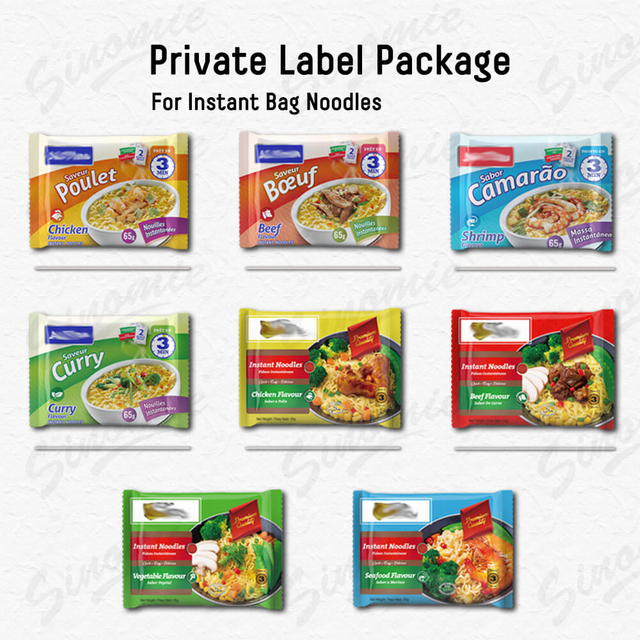
Processing Dictates Health Value: The nutritional gap between air-dried, traditional noodles and flash-fried instant noodles is substantial, primarily in sodium, saturated fat, and micronutrient retention.
Ingredient Diversity Offers Solutions: Rice, mung bean, sweet potato, and buckwheat-based noodles provide viable alternatives for gluten-free, low-glycemic, or low-calorie dietary requirements.
The "Dish vs. Noodle" Distinction: A noodle's health profile is often compromised by the sodium and sugar content of accompanying sauces and broths, requiring holistic recipe or product formulation.
The Power of Co-factors: Traditional preparation methods that pair noodles with dense vegetable volumes and lean proteins fundamentally alter the glycemic load and satiety profile of the meal.
Sourcing Requires Scrutiny: Authentic, health-aligned noodles require strict evaluation of supplier spec sheets, focusing on preservative use, flour refinement levels, and manufacturing methods.
Table of Contents
Establishing baseline nutritional requirements for modern consumers involves prioritizing low sodium, high protein, clean labels, and minimal processing. The market demands transparency. Buyers need to distinguish between traditional, fresh-made staples and heavily commercialized convenience foods. When you walk a production floor, the difference is obvious. Fresh dough requires precise temperature control and immediate processing. Commercial instant lines prioritize speed and shelf life over nutritional integrity.
Contrasting the nutritional baseline of hand-pulled or extruded fresh options against commercial instant varieties reveals stark differences. Freshly prepared dough retains basic macronutrient integrity. Commercial instant variants often lack dietary fiber and essential protein. They substitute these vital components with excessive fats and sodium for preservation and flavor enhancement. You will often see spec sheets where the fat content jumps from 2% in a fresh product to over 20% in a flash-fried instant block.
Addressing the historical use of refined wheat flour in Chinese staples requires understanding modern dietary standards. Refined flour impacts blood sugar and satiety directly. Stripping the bran and germ removes natural fiber. This process creates a carbohydrate source that digests rapidly, leading to quick glucose spikes if consumed in isolation. However, the milling process also dictates the protein content, which affects the final texture and chew.
Analyzing why traditional wheat consumption in Asian cultures correlates with favorable health outcomes uncovers the staple paradox. Traditional diets do not serve these carbohydrates in isolation. Active lifestyles, strict portion control, and the absence of ultra-processed chemical additives play significant roles. Fresh-made preparation methods avoid the oxidative stress associated with deep-fried commercial alternatives.
Verify the protein content of the base flour; aim for 10-12% for better satiety.
Check the sodium levels in the raw dough before any seasoning is applied.
Assess the drying method to ensure no trans fats are introduced during processing.
Review the ingredient list for synthetic preservatives like TBHQ.
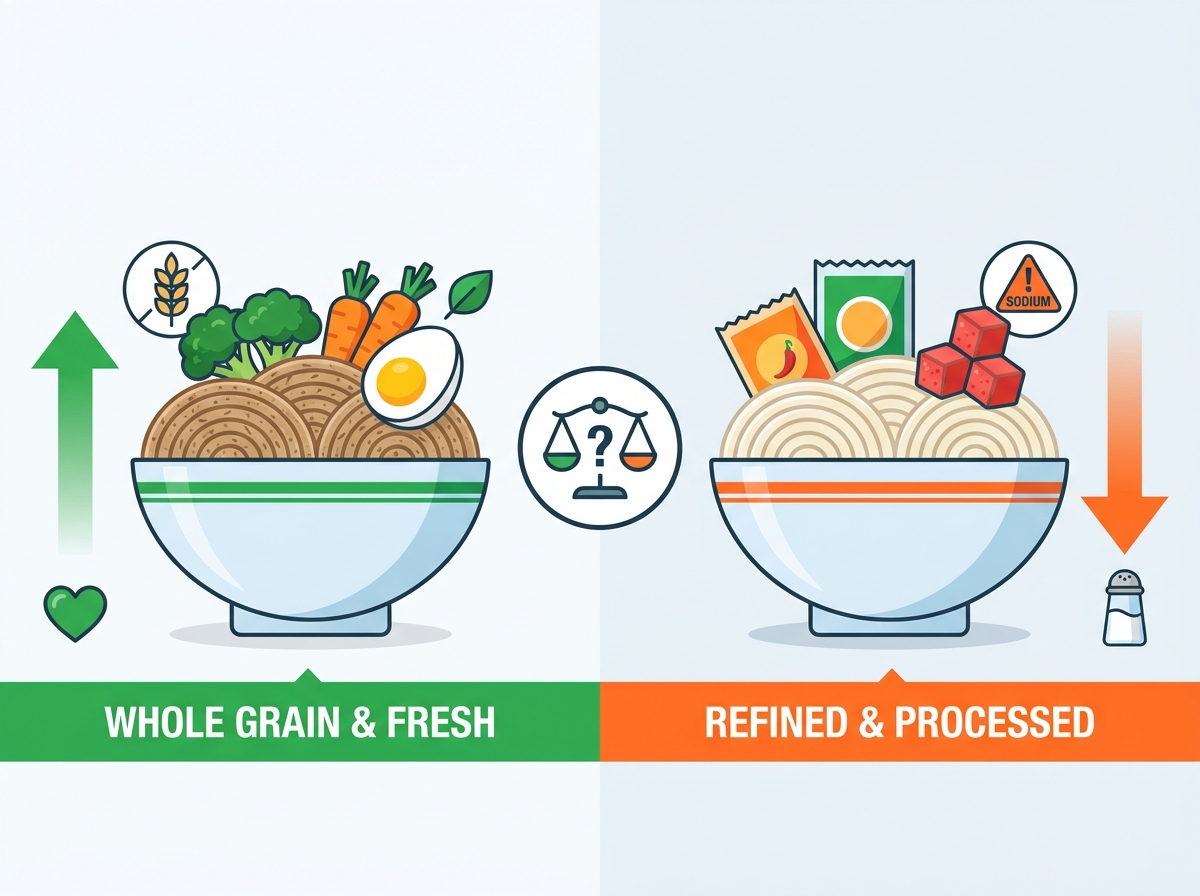
Analyzing the standard macronutrient breakdown reveals significant variations based on preparation. Commercial, pre-fried chow mein often presents a 63% carbohydrate, 30% fat, and 7% protein ratio. Fresh boiled alternatives drastically reduce the fat content. Boiling hydrates the dough without introducing oxidized oils, maintaining a cleaner caloric profile. When sourcing, always request the un-fried nutritional data to establish a baseline.
The addition of kansui, or alkaline salts, fundamentally changes the dough. Alkaline environments affect starch gelatinization, digestion rates, and texture. This process creates the signature chewiness of traditional lamian. However, it also introduces inherent sodium levels directly into the dough, which buyers must account for during nutritional evaluations. You must balance the desired texture with the target sodium limits for your product line.
Evaluating rice-based options highlights their value as a naturally gluten-free solution. Sensitive demographics rely on these products for safe consumption. The simple ingredient list, often just rice flour and water, appeals to clean-label requirements. The extrusion process for rice requires specific moisture control to prevent the strands from becoming brittle during transport.
Comparing the glycemic index and caloric load of white rice varieties to whole-grain alternatives reveals important dietary considerations. White rice digests quickly. While naturally low in fat, its high glycemic index requires careful pairing with proteins and fibers to prevent rapid blood sugar elevation. Brown rice alternatives offer better fiber retention but require adjustments in cooking times and hydration ratios.
Assessing mung bean and sweet potato glass varieties requires understanding their unique starch structures. These options are high in carbohydrates but low in protein. They offer slow-digesting resistant starch properties. This characteristic makes them highly effective for portion-controlled diets and sustained energy release. The gelatinization temperature of these starches is higher, requiring robust boiling to achieve the correct texture.
Evaluating konjac or shirataki options reveals an extreme low-calorie, high-soluble-fiber profile. The primary component, glucomannan, absorbs water and promotes significant satiety. This specific profile makes them highly viable for ketogenic or strict weight-loss-focused buyers seeking high-volume eating without caloric density. The packaging usually requires a liquid suspension to maintain the structural integrity of the glucomannan.
Side-by-side analysis of caloric load, macronutrient distribution, and satiety indexes provides clarity. Standard wheat or rice options often absorb more water during cooking than steamed white rice. This hydration increases the physical volume of the food, potentially lowering the caloric density per bite compared to densely packed rice. You can leverage this hydration factor when designing portion-controlled meal kits.
Dietitian perspectives on weight management emphasize how formulations influence portion sizing. Volume eating utilizes high-water retention to increase fullness. Selecting options that expand significantly during boiling allows consumers to eat visually larger portions while managing total caloric intake effectively. This is a key selling point for health-focused retail brands.
Noodle Type | Primary Ingredient | Gluten-Free | Key Nutritional Characteristic | Processing Method |
|---|---|---|---|---|
Lamian / Lo Mein | Wheat Flour | No | Moderate protein, high carbohydrate | Extruded / Hand-pulled |
Vermicelli | Rice Flour | Yes | Low fat, moderate glycemic index | Extruded / Steamed |
Glass Noodles | Mung Bean / Sweet Potato | Yes | High resistant starch, low protein | Starch Extraction / Dried |
Shirataki | Konjac Root | Yes | Extremely low calorie, high soluble fiber | Coagulated / Liquid Packed |
Identifying common preservatives like TBHQ and sodium benzoate is critical for clean-label compliance. Health-conscious consumers actively avoid synthetic additives. Evaluating hidden sodium requires looking beyond the seasoning packet. Many commercial dough formulations contain high salt levels to improve shelf life and texture. You must audit the raw material spec sheets to catch these hidden additives before they reach your final product.
Flash-frying instant varieties increases caloric density dramatically. This process introduces oxidized trans fats and strips natural micronutrients from the flour. The operational, shelf-life, and nutritional benefits of sourcing air-dried or freeze-dried alternatives are clear. Air-drying preserves the carbohydrate structure without adding unnecessary lipids. The drying chambers must maintain precise humidity levels to prevent cracking and ensure a uniform moisture content of around 10-12%.
Evaluating the presence of synthetic fortification in mass-market products helps determine actual health value. Added iron and B-vitamins often compensate for heavily refined flours. Natural micronutrient profiles found in buckwheat and whole-grain formulations offer superior bioavailability and appeal to holistic health trends. Sourcing whole-grain options requires verifying the milling process to ensure the germ is retained without causing premature rancidity.
Navigating Non-GMO, Certified Organic, and Certified Gluten-Free labeling is essential in international supply chains. These certifications build consumer trust. Verifying supplier claims through third-party nutritional testing ensures that the imported products meet strict domestic regulatory standards. You should always request the latest audit reports from the manufacturing facility to confirm their compliance status.
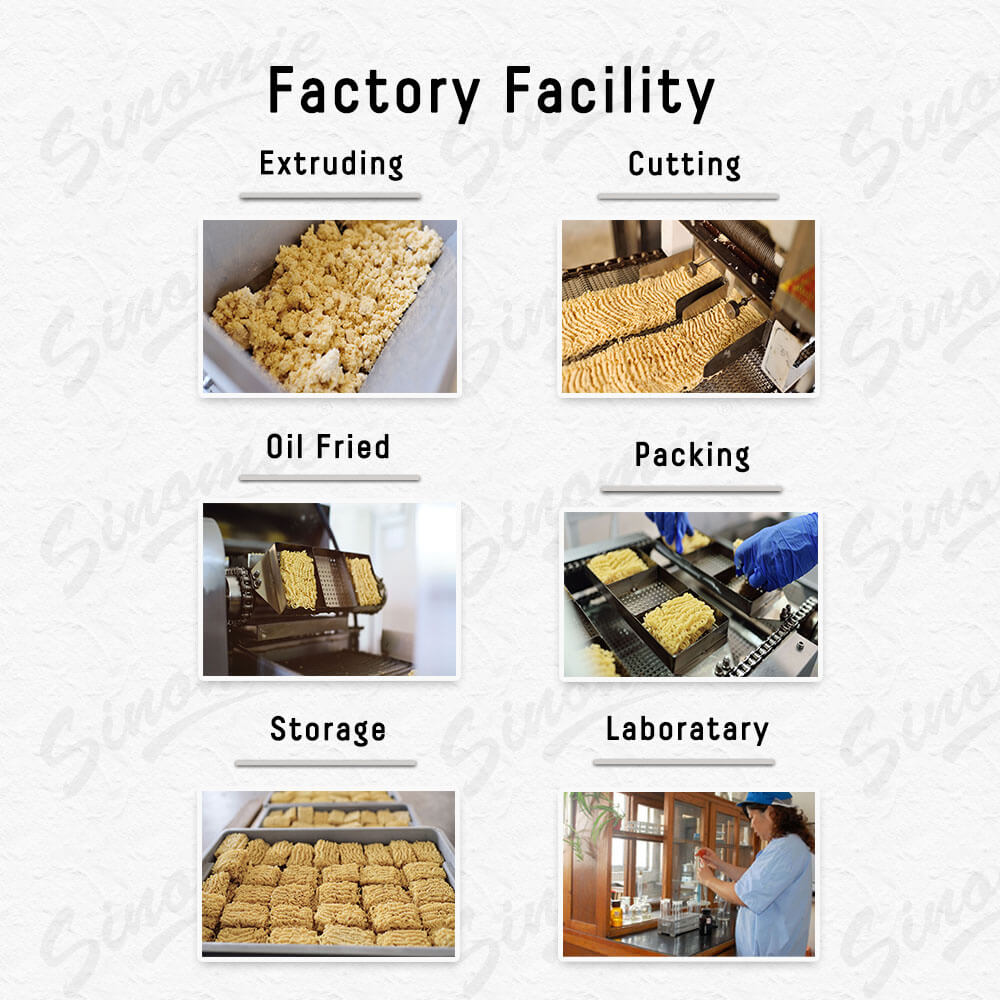
The trade-off between using refined flours versus whole-grain alternatives defines product development. Refined flours yield superior elasticity and traditional chew. Alternative-grain options offer higher fiber but often compromise the expected mouthfeel. Buyers must balance sensory expectations with nutritional goals. Sometimes a blend of 70% refined and 30% whole grain provides the optimal balance of texture and health benefits.
Evaluating the return on investment for fresh, refrigerated options involves weighing higher nutritional perception against shorter shelf life and higher logistics costs. Dried alternatives offer longer shelf life and easier storage. However, they may rely on preservatives or specific drying techniques that alter the final texture. Cold chain logistics add significant overhead, so the premium for fresh products must be justified by consumer demand.
Analyzing price premiums associated with alternative grains is necessary for budget planning. Buckwheat, konjac, and mung bean command higher market prices compared to commodity wheat. Buyers must determine if their target demographic will absorb the premium for enhanced nutritional profiles. Securing long-term contracts for these alternative grains can help stabilize your supply chain costs.
High-quality bases risk being perceived as unhealthy due to excessive sodium in accompanying sauces. MSG-heavy broths and concentrated soy sauces dominate traditional flavor profiles. Formulating low-sodium flavor bases mitigates this risk. Offering customizable, clean-label sauce packets allows consumers to control their sodium intake directly. You can use yeast extracts or mushroom powders to boost umami without relying on pure salt.
Serving refined carbohydrates as a standalone dish leads to rapid glucose spikes and low satiety. Sourcing and pairing these bases with high-volume, fiber-rich vegetables fundamentally changes the meal. Cabbage, bok choy, carrots, and lean proteins dramatically lower the glycemic index of the final dish, ensuring sustained energy. Meal kit developers must design recipes that enforce this balanced ratio.
Sourcing products labeled healthy or traditional that fail to meet domestic regulatory standards poses a severe brand risk. Mandating comprehensive ingredient breakdowns protects the buyer. Independent lab testing before finalizing bulk purchases ensures all nutritional claims are accurate and legally compliant. Never rely solely on the supplier's marketing materials; always verify the data through accredited laboratories.
Sourcing high-quality, authentic noodles requires a supply partner dedicated to clean manufacturing processes and strict ingredient integrity. As a professional global noodle manufacturer and exporter, SINOMIE provides a comprehensive range of premium air-dried, instant, and specialty noodles crafted to meet international health, safety, and quality standards.
Request detailed product specification sheets from suppliers to verify manufacturing methods, moisture content, and ingredient transparency.
Conduct independent nutritional audits and third-party lab testing to confirm sodium levels and the absolute absence of synthetic preservatives.
Sample products in their final intended dish format, incorporating protein and vegetable co-factors, to assess true health and culinary impact.
Prioritize air-dried processing and alternative starches like mung bean or konjac when expanding health-focused product lines to meet modern dietary demands.
A: Most commercial instant varieties are flash-fried, resulting in high saturated fat, excessive sodium, and low fiber. While safe in moderation, frequent consumption lacks nutritional density. Air-dried instant alternatives offer a significantly healthier profile by eliminating the deep-frying process entirely.
A: Shirataki, made from the konjac plant, contains the lowest calories. They are composed almost entirely of water and glucomannan, a soluble fiber. This makes them virtually calorie-free and highly effective for strict weight management or ketogenic diets.
A: They are not inherently healthier but serve different dietary needs. Rice varieties are naturally gluten-free and lower in fat. However, white rice options have a high glycemic index and lower protein content compared to traditional wheat alternatives.
A: High-hydration options can be better for volume eating, as they absorb significant water during boiling, increasing physical fullness. However, success depends entirely on portion sizing and avoiding high-calorie, oil-heavy sauces common in both dishes.
A: Traditional diets treat them as a carbohydrate base paired with large volumes of fiber-rich vegetables and lean proteins. This combination lowers the overall glycemic load. Furthermore, traditional preparation relies on fresh, un-fried dough rather than ultra-processed commercial variants.
A: Glass noodles are typically made from mung bean, sweet potato, or tapioca starch. They are healthy options for gluten-free diets and provide resistant starch, which digests slowly. However, they are high in carbohydrates and lack significant protein or vitamins.


)
)