
Views: 0 Author: Site Editor Publish Time: 2026-07-21 Origin: Site


Daily meal planning drains mental energy and household resources. Consumers chase convenience but often get trapped by rigid subscription models and hidden delivery fees. Balancing strict dietary needs with minimal preparation time remains a significant hurdle for busy professionals and families alike. You need reliable, satisfying meals without succumbing to subscription fatigue or generating excessive food waste. This article introduces a comparative evaluation framework to solve this daily friction. We pit popular meal delivery services against high-quality, pantry-stable instant food. Specifically, we explore how modern premium Noodles serve as the ultimate baseline for low-effort meal solutions. We will break down preparation efficiency, shelf stability, and inventory management to help you build a resilient pantry. By analyzing the hidden logistical burdens of meal kits, you can make informed decisions about your weekly food procurement strategy.
True Cost-per-Meal: Budget meal kits often obscure hidden costs (shipping, packaging waste, spoilage), whereas premium instant noodles offer a fixed, predictable cost-per-serving well under the $5 threshold.
Shelf-Life vs. Spoilage: Subscription meal boxes require strict consumption timelines; pantry-stable instant foods eliminate food waste and provide total inventory control.
Preparation Efficiency: True instant solutions require zero active cooking or prep time, outperforming "quick" meal kits that still demand 15–30 minutes of kitchen labor and cleanup.
Hybrid Adoption: The most resilient meal strategies combine the reliability of instant pantry staples with selective use of ready-to-heat delivery services for nutritional variety.
Table of Contents
Calculating the actual expense of a meal requires looking far beyond the base price advertised by delivery services. You must factor in shipping fees, minimum order penalties, and the financial impact of spoiled ingredients. A meal kit might seem inexpensive initially, but missed deliveries or unused produce quickly inflate the actual expense. True convenience foods maintain a stable, predictable cost per serving without hidden logistical fees. When you evaluate your weekly food spend, you must account for the meals you throw away. Spoilage acts as a hidden tax on your grocery budget. To accurately assess your food expenses, track the following variables over a standard month of consumption.
Base cost of the meal or kit per individual serving.
Recurring shipping and handling fees applied to the delivery.
Value of ingredients discarded due to spoilage or missed cooking windows.
Cost of additional pantry staples required to complete the recipe (oil, butter, salt).
Time value of labor spent preparing, cooking, and cleaning up the meal.
Understanding the difference between active and passive preparation is crucial for evaluating meal solutions. Active prep involves chopping, sautéing, and constant monitoring. These tasks are frequently required by budget meal kits, demanding your full attention at the stove. No-cook or ready-to-heat options simply require microwaving pre-made containers, reducing your involvement to mere minutes. Passive prep, such as boiling water for instant meals, demands minimal physical engagement. You can step away while the food cooks, making passive prep highly efficient for busy schedules. The less time you spend actively managing a hot pan, the more time you recover for other evening tasks.
Preparation Category | Typical Time Required | Labor Intensity | Examples |
|---|---|---|---|
Active Prep | 30 to 45 minutes | High (Chopping, Sautéing, Plating) | Standard Meal Kits, Scratch Cooking |
Passive Prep | 5 to 10 minutes | Low (Boiling water, Steeping) | Premium Instant Foods, Dehydrated Meals |
Ready-to-Heat | 2 to 5 minutes | Minimal (Microwaving) | Pre-cooked Delivery Trays, Frozen Dinners |
Expiration timelines dictate the true convenience of any food system. Delivery kits typically offer a short four-to-seven-day refrigerator life. This creates a stressful race against time to consume meals before they spoil. In contrast, dry instant foods provide a six-to-twelve-month pantry life. This extended stability eliminates food waste and grants you total control over your household inventory. Managing a deep pantry requires a systematic approach to rotation and storage. You must organize your supplies to ensure older stock is consumed first. A well-managed inventory system prevents emergency grocery runs and provides peace of mind during busy weeks.
Designate a specific cool, dry cabinet or shelving unit exclusively for shelf-stable meals.
Organize products by expiration date, placing the oldest items at the front of the shelf.
Conduct a monthly visual audit to identify items approaching their best-by dates.
Group similar flavor profiles together to streamline your selection process when hungry.
Maintain a minimum baseline stock level, reordering before you completely run out of your preferred options.
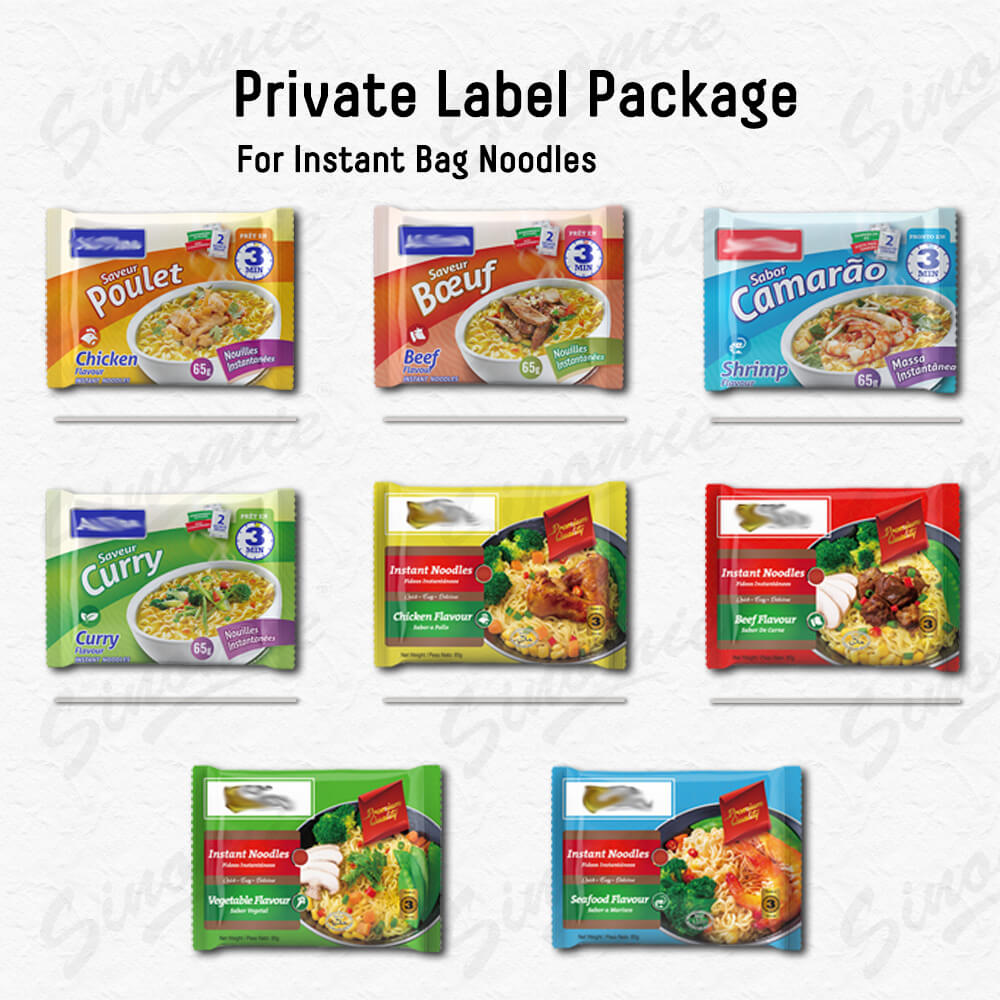
Budget-friendly meal services rely heavily on inexpensive bulk ingredients like carrots, potatoes, and rice. They shift the labor burden onto the consumer to keep upfront costs low. While they provide recipe cards and pre-measured components, you still perform the bulk of the cooking. This model works for those who enjoy kitchen tasks but fails to deliver true instant convenience. You are essentially paying for a grocery shopping service that portions out raw materials. The burden of execution remains entirely on your shoulders. If you arrive home exhausted, the prospect of peeling potatoes and searing chicken breasts often leads to ordering takeout instead, defeating the purpose of the kit.
High-end curated options cater to specialized dietary plans, including organic, allergen-free, and GLP-1-supportive diets. These premium subscriptions utilize high-quality ingredients and complex recipes. However, this specialization exponentially increases the cost per serving. They target a specific demographic willing to pay a premium for dietary alignment, rather than those seeking broad affordability. The packaging for these kits is often extensive, utilizing heavy insulation and multiple ice packs to maintain temperature control. While the ingredient quality is superior, the rigid delivery schedules and high expense make them difficult to sustain as a daily feeding strategy for the average household.
Hybrid services combine standard grocery delivery with semi-prepared ingredients. They offer quick sauces, pre-chopped vegetables, and ready-to-use starches. This approach bridges the gap between raw meal kits and fully prepared meals. It offers flexibility but still requires active assembly and basic cooking skills to bring the final dish together. You might receive pre-cooked grains and a proprietary simmer sauce, but you still need to heat the components and combine them properly. This category attempts to offer the best of both worlds but often results in a cluttered refrigerator filled with half-used sauce packets and wilting pre-cut vegetables.
Microwave-ready services provide pre-cooked, single-portion meals tailored to busy lifestyles. They offer the ultimate zero-prep experience. However, these services face significant logistical constraints. Refrigerated shipping is complex, and the meals have a very short shelf life. You must consume them quickly, limiting their utility as long-term backup options. The texture of certain ingredients, particularly vegetables and starches, often degrades during the reheating process. While highly convenient for strict macro tracking, the reliance on continuous cold-chain shipping makes this category vulnerable to weather delays and courier errors.
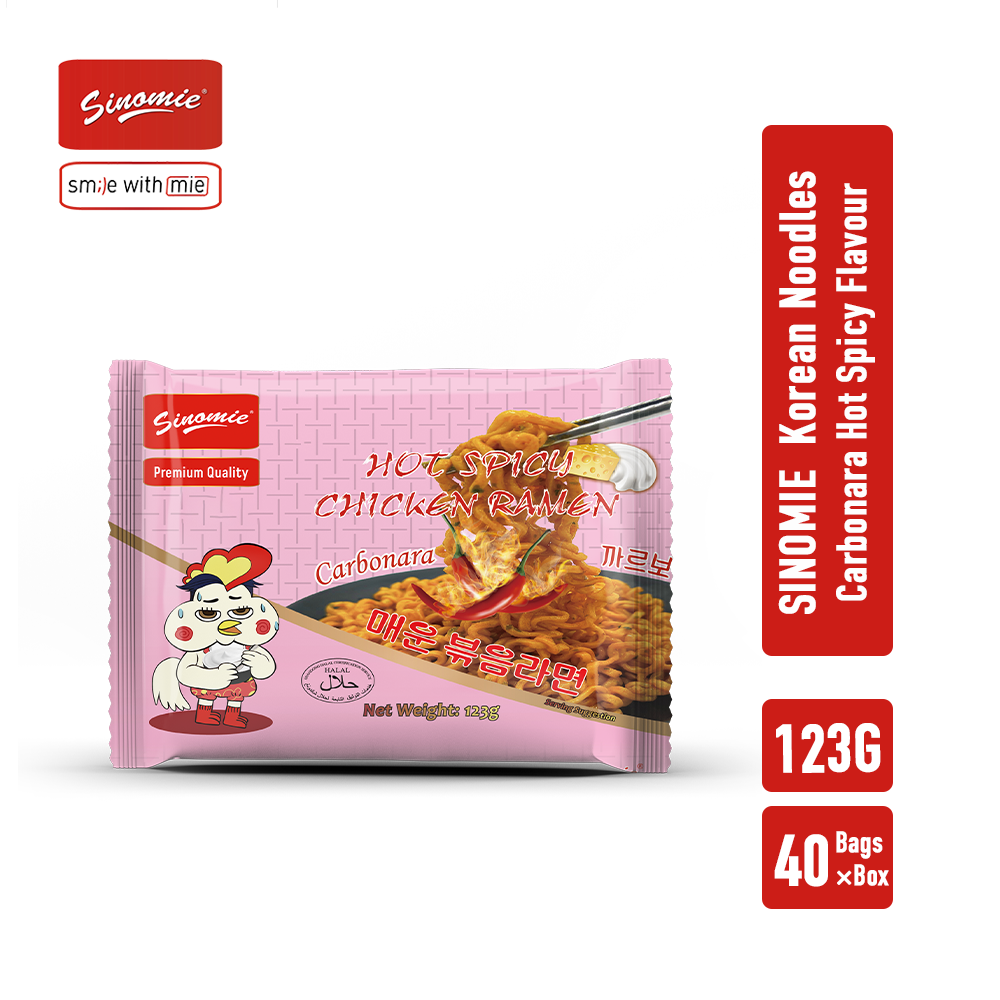
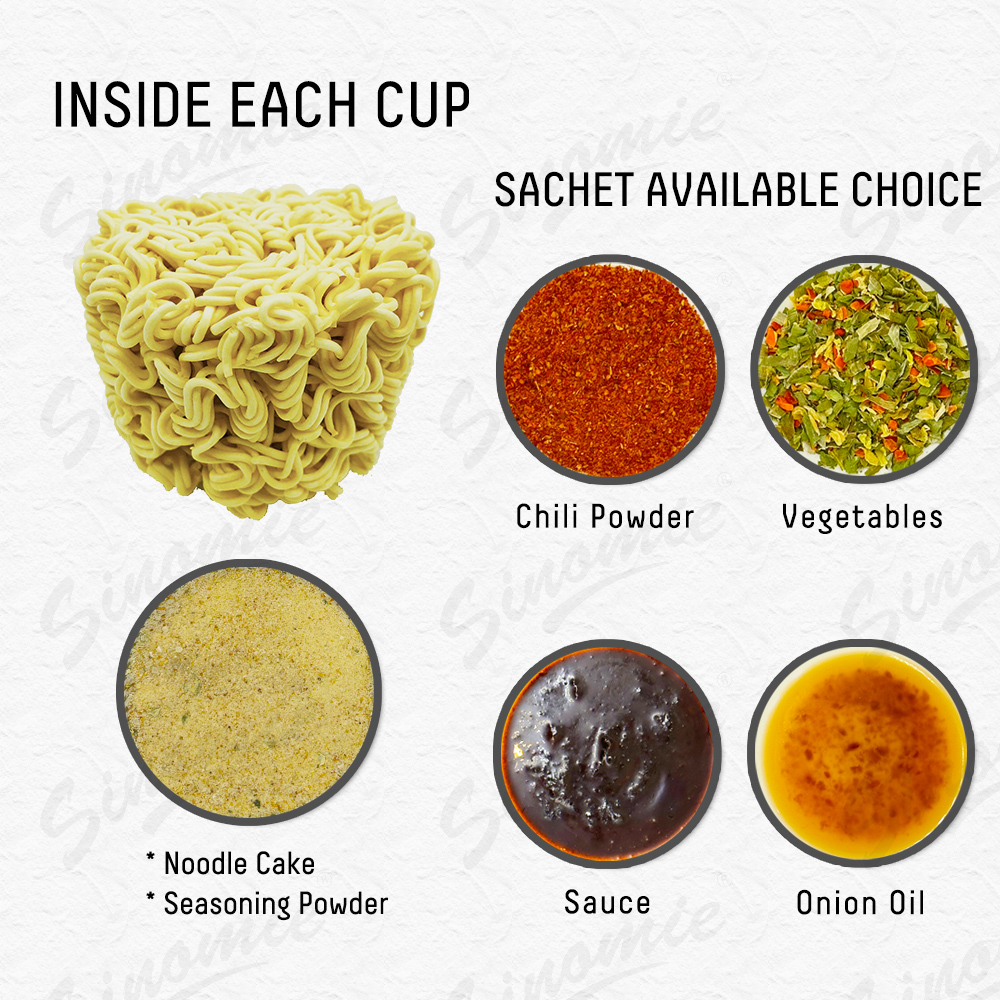
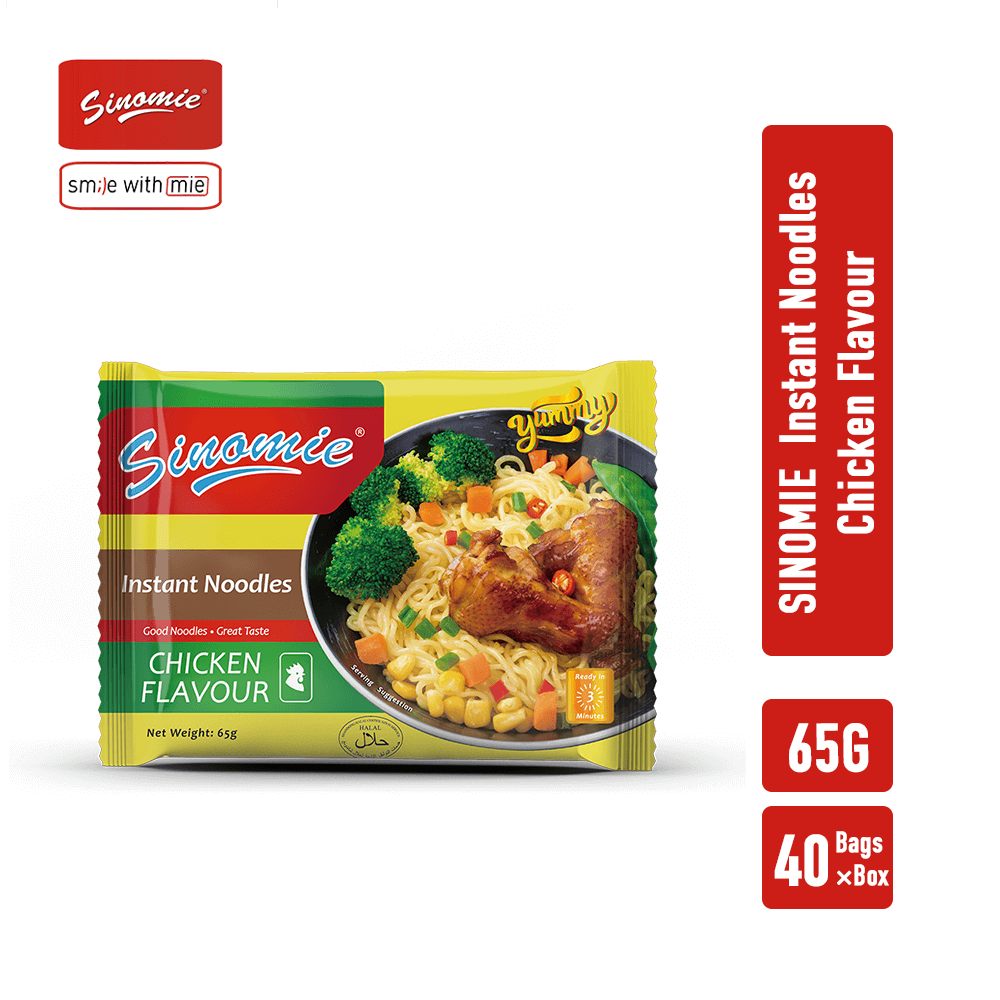
Modern, restaurant-quality instant meals represent a distinct category far removed from legacy cheap ramen. Advancements in air-dried technology create superior texture without excess oil. Complex liquid flavor bases replace generic powder packets, while freeze-dried proteins and vegetables retain their nutritional value. High-quality Noodles stand out as a high-value pantry staple, offering gourmet flavors with absolute convenience. The engineering behind these products focuses on rapid rehydration and flavor retention. By utilizing advanced dehydration methods, manufacturers lock in the structural integrity of the wheat or rice strands. This results in a satisfying, chewy texture that rivals fresh alternatives, requiring nothing more than boiling water and a few minutes of patience.
Comparing absolute floor pricing reveals a stark contrast between budget meal kits and premium pantry staples. Meal kits often incur high shipping costs that negate their low base price. Premium instant options maintain a consistently low cost per serving. You can maximize savings through strategic buying hacks. Bulk pantry sourcing and building a subscription-free inventory protect you from sudden price hikes and delivery fees. Purchasing cases of your favorite shelf-stable meals directly from distributors or specialized grocers significantly reduces the per-unit expense. You eliminate the recurring weekly charges associated with subscription models, freeing up capital for other household necessities.
Purchase shelf-stable meals in bulk cases rather than individual packets to secure volume discounts.
Monitor specialized online grocers for seasonal sales and stock up during promotional periods.
Avoid subscription models that charge recurring shipping fees for small, weekly deliveries.
Supplement your instant meals with inexpensive, locally sourced produce like cabbage or green onions.
Invest in a high-quality electric kettle to reduce the energy costs associated with boiling water on a stovetop.
Baseline instant foods offer incredible flexibility for nutritional customization. You can easily modify premium instant meals to fit high-protein or low-glycemic guidelines. Adding soft-boiled eggs, fresh leafy greens, or lean proteins transforms a simple bowl into a balanced meal. In contrast, pre-cooked delivery meals feature rigid, unalterable macro profiles that cannot be adjusted once they arrive. If a ready-to-heat meal lacks sufficient protein for your dietary goals, you must cook supplementary items anyway. With a shelf-stable base, you control the exact ratios of carbohydrates, fats, and proteins by selecting your own fresh add-ins from your refrigerator.
Cold-chain logistics suffer from high failure rates. Missing ingredients, warm ice packs, and delayed couriers frequently disrupt meal plans. These failures lead to immediate food safety concerns and wasted money. Conversely, shelf-stable inventory guarantees absolute availability. Having a stocked pantry ensures you always have a reliable meal option, regardless of external supply chain disruptions. When a winter storm halts local delivery trucks, your pantry remains unaffected. You do not have to worry about tracking numbers or filing customer service claims for spoiled meat. The reliability of dry goods provides a foundational layer of food security for your household.
Managing weekly meal selections creates a distinct psychological burden. Remembering to skip weeks, tracking deliveries, and dealing with excessive packaging leads to subscription fatigue. Pantry autonomy offers a frictionless alternative. Pulling a meal from a well-stocked shelf requires zero planning or digital management. It restores control over your daily eating habits. You eat what you want, when you want it, without being dictated by a pre-selected weekly menu. This autonomy eliminates the guilt associated with ignoring a meal kit in the fridge because you simply do not crave that specific dish on a given night.
Consumers face an inherent trade-off between fresh, perishable produce and engineered stability. Meal kits provide fresh vegetables and raw meats, but demand immediate consumption. Dehydrated or freeze-dried ingredients offer unparalleled longevity. Modern preservation techniques lock in nutrients and flavor, ensuring that shelf-stable options remain appetizing months after purchase. While fresh produce offers superior texture, the rapid degradation rate forces a rigid cooking schedule. Freeze-drying technology removes moisture while preserving the cellular structure of vegetables and proteins, allowing them to rehydrate beautifully when exposed to hot water.
Rotating weekly meal kit menus can be hit-or-miss. You might discover a new favorite dish, or you might endure a meal that misses the mark. Instant pantry staples provide absolute flavor predictability. When you want a specific taste profile, you know exactly what you will get. This consistency is highly comforting after a long, unpredictable workday. You do not have to gamble on a new recipe or unfamiliar spice blend when you are tired and hungry. A reliable, familiar flavor profile serves as a culinary anchor, providing immediate satisfaction without the risk of disappointment.
Health concerns regarding instant foods typically center on sodium levels. You can implement actionable mitigation strategies easily. Use only half the provided seasoning packet to cut sodium instantly. Drain the initial starch water before adding the flavor base. Selecting air-dried variants over deep-fried options also significantly improves the nutritional profile of the meal. You can further enhance the dish by incorporating potassium-rich vegetables like spinach or bok choy, which help balance sodium intake. By taking an active role in the final assembly, you control the exact nutritional parameters of your meal.
Boil the primary carbohydrate base in a separate pot of water to remove excess surface starch.
Drain the cooking water completely and transfer the cooked base to your serving bowl.
Add only fifty percent of the provided liquid or powder seasoning base to the bowl.
Pour fresh, clean boiling water over the seasoned base to create the broth.
Stir in fresh herbs, a squeeze of citrus, or a dash of sesame oil to enhance flavor without adding salt.
If you utilize meal kits, strict protocols prevent spoilage. Immediately freeze proteins upon arrival if you do not plan to cook them within two days. Prioritize cooking meals based on ingredient degradation rates; use delicate greens first and save root vegetables for later in the week. Always keep shelf-stable backups on hand for when deliveries inevitably fail. Inspect every box immediately upon arrival. Check the temperature of the ice packs and the integrity of the vacuum-sealed meats. If any component feels warm to the touch, discard it immediately to prevent foodborne illness.
A blended approach offers the most realistic architecture for modern eating. Utilize a budget meal kit or ready-to-heat service for three dinners a week to ensure variety. Maintain a robust inventory of premium instant options for lunches, late-night meals, and emergency backups. This hybrid system balances fresh culinary experiences with unbreakable pantry reliability. You get the benefit of guided cooking a few nights a week without the overwhelming pressure of preparing every single meal from scratch. On the nights you work late or lack energy, your pantry inventory steps in to fill the gap effortlessly.
Choosing the right meal solution depends on balancing convenience, nutrition, cost, and long-term flexibility. Premium instant noodles offer a reliable pantry staple that reduces food waste, saves preparation time, and can easily be customized with fresh ingredients to create satisfying everyday meals.
SINOMIE specializes in manufacturing high-quality instant noodles and customized noodle solutions for global food brands, distributors, retailers, and food service businesses. Backed by advanced production technology, strict quality management, and extensive export experience, the company helps customers deliver safe, delicious, and innovative noodle products that meet evolving consumer demands.
Before choosing your meal solution, consider the following:
Compare the total cost, including shipping, preparation time, and food waste.
Choose shelf-stable foods that provide greater flexibility for busy lifestyles.
Customize instant noodles with vegetables and lean protein for better nutrition.
Select a trusted noodle manufacturer with consistent quality and reliable supply.
A: No. You pay a premium for portioning, packaging, and shipping. Bulk grocery buying remains significantly more cost-effective. Meal kits charge for the convenience of curation, which inflates the per-serving cost compared to sourcing raw ingredients yourself.
A: Premium versions utilize air-drying techniques rather than deep-frying, resulting in better texture and lower fat. They also feature complex liquid flavor concentrates and high-quality freeze-dried ingredients instead of generic, high-sodium powder packets.
A: You can easily adapt them by adding lean, pre-cooked proteins and high-fiber vegetables. Reduce the sodium concentration by using only a portion of the seasoning packet. This creates a balanced, low-glycemic index meal tailored to your needs.
A: Ready-to-heat meals typically last four to seven days in the refrigerator. Because they are pre-cooked and lack heavy preservatives, they must be consumed quickly to ensure food safety and optimal flavor quality.
A: Yes, most can be frozen, but freezing alters the texture of certain ingredients, particularly vegetables and starches. It is best to consume them fresh or rely on foods specifically engineered for long-term shelf stability.


)
)