
Views: 0 Author: Site Editor Publish Time: 2026-07-21 Origin: Site


The global reliance on instant ramen for quick meals masks a growing prevalence of diet-induced gastrointestinal distress. Highly processed foods, specifically those stripped of dietary fiber and loaded with sodium, disrupt normal gut motility. This disruption leads directly to hardened stool and chronic constipation. We need to evaluate how standard instant Noodles impact the digestive tract. We will look at the mechanical strain on the stomach and intestines caused by these low-residue meals. We will also conduct a comparative analysis of healthier alternatives and meal-modification frameworks. This approach helps maintain bowel regularity without sacrificing convenience. The lack of fiber and high sodium content create a perfect storm for digestive stalling. By implementing strategic dietary modifications, you can mitigate these risks effectively. You can fix your digestion by understanding the ingredients you consume and making targeted adjustments to your pantry staples.
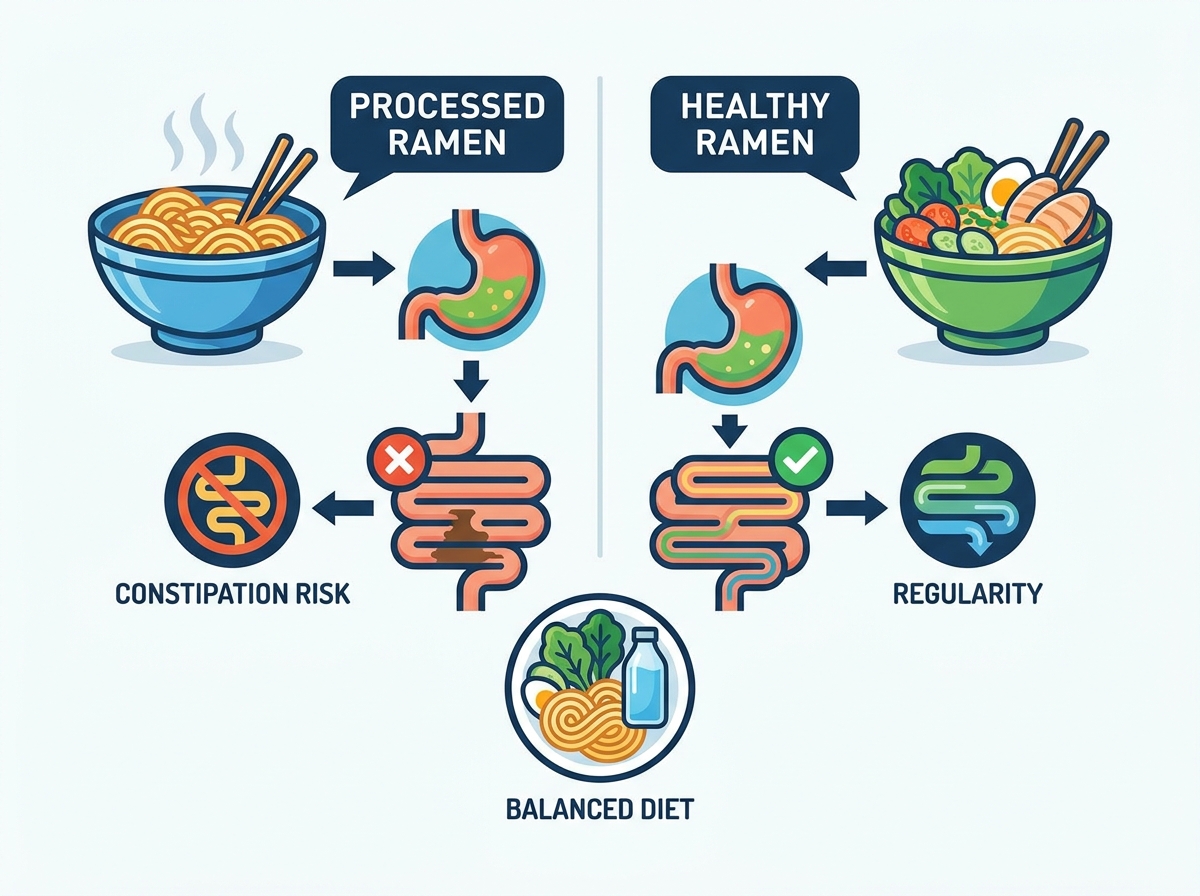
Fiber Deficiency: Standard instant ramen noodles are a low-residue food lacking the essential dietary fiber required to add bulk to stool and stimulate healthy bowel movements.
Sodium-Induced Dehydration: The exceptionally high sodium content in ramen flavor packets draws water out of the colon, hardening stool and exacerbating constipation.
Digestive Strain: Clinical observations indicate that highly processed noodles resist rapid breakdown, remaining largely intact in the stomach for over two hours, placing prolonged stress on the digestive tract and delaying gastric emptying.
Micronutrient Imbalance: While instant ramen often contains synthetic iron, manganese, and B vitamins, it lacks the essential proteins, vitamin A, and vitamin C required for overall metabolic and digestive health.
Viable Alternatives: Switching to legume-based, buckwheat (soba), or konjac (shirataki) noodles provides the necessary fiber and nutritional profile to support, rather than hinder, digestive health.
Table of Contents
Highly processed instant meals break down much slower than whole, unprocessed foods. Clinical evidence shows that processed ramen can remain largely intact in the digestive tract for up to two hours or more. This prolonged presence delays normal gastric emptying. The mechanical strain on the stomach and intestines becomes significant. Your digestive system must work harder and longer to process these refined ingredients. The stomach uses mechanical churning and gastric acid to break down food. When food resists this breakdown, the stomach retains it longer. This delayed digestion disrupts the migrating motor complex. The migrating motor complex acts as the gut's internal cleaning wave. It sweeps residual undigested material through the digestive tube. When this wave stalls, you experience sluggish bowel movements and physical gastrointestinal distress. The entire gastrointestinal timeline shifts, causing a backlog that manifests as bloating and constipation.
To understand the severity of this delay, we must look at how normal digestion operates. A standard meal containing lean protein and complex carbohydrates usually leaves the stomach within 90 minutes. The highly processed nature of instant ramen alters this baseline. The addition of synthetic preservatives and the structural changes from deep-frying the dough create a matrix that resists gastric acid. This forces the stomach to secrete more acid over a longer period. The downstream effect is a delayed release into the small intestine. The small intestine relies on a steady, predictable flow of chyme to absorb nutrients and pass waste to the colon. Disrupting this flow leads to irregular bowel habits.
Dietary fiber plays a critical mechanical function in human digestion. Soluble fiber forms a gel-like substance in the gut, which softens the stool. Insoluble fiber adds necessary bulk and speeds up the transit time of waste through the colon. Standard instant ramen packets contain near-zero fiber content. A digestion-friendly meal must contain adequate fiber to prevent gastrointestinal stalling. Low-residue diets directly cause the digestive system to slow down. Without fiber, the muscles in your intestines lack the physical bulk needed to push waste forward efficiently. Peristalsis relies on the physical stretching of the intestinal walls. Fiber provides this stretch.
When you consume a meal devoid of fiber, the resulting waste is small and dense. The colon struggles to grip and move this dense waste. This leads to prolonged transit times. The longer waste sits in the colon, the more water the body extracts from it. This extraction process turns the waste into hard, dry stool. Passing this stool requires excessive straining, which can lead to hemorrhoids and anal fissures. You must incorporate fiber to maintain the structural integrity of your stool. The absence of fiber in instant ramen makes it a primary driver of diet-induced constipation.
The Mechanical Functions of Dietary Fiber | |||
Fiber Type | Mechanism of Action | Impact on Stool | Effect on Transit Time |
|---|---|---|---|
Soluble Fiber | Absorbs water to form a viscous gel | Softens and lubricates | Regulates and normalizes speed |
Insoluble Fiber | Resists digestion, retains physical structure | Adds physical bulk and weight | Accelerates movement through colon |
Resistant Starch | Ferments in the large intestine | Feeds beneficial gut bacteria | Improves overall colon motility |
Standard ramen flavor packets contain extreme sodium concentrations. A single serving often exceeds 50% of the recommended daily allowance for sodium. Excessive sodium forces your body to pull water from the colon to dilute blood sodium levels. This physiological response directly results in dry, hard stool that is difficult to pass. Systemic dehydration slows down the entire digestive process. When your colon lacks water, constipation becomes an immediate and painful reality. The osmotic balance in your gut dictates how easily waste moves. High sodium disrupts this balance entirely.
The body prioritizes blood volume and sodium concentration over colon hydration. When you ingest 1,500 milligrams of sodium in one sitting, the kidneys signal the body to retain water. The colon is one of the first places the body draws water from. This rapid dehydration of the colon turns normal waste into concrete-like stool. You might not feel thirsty immediately, but your digestive tract is already suffering from the fluid shift. Managing sodium intake is not just about cardiovascular health; it is a fundamental requirement for maintaining bowel regularity.
Common instant noodle preservatives, such as tertiary butylhydroquinone (TBHQ), negatively impact the digestive system. Frequent consumption carries severe metabolic consequences. Clinical data shows that individuals eating instant ramen just twice a week have a 68% higher risk of metabolic syndrome. Highly processed additives correlate strongly with metabolic syndrome and gut flora imbalance. Dysbiosis, or an imbalanced gut microbiome, leads to long-term digestive issues. Chronic constipation frequently stems from this exact type of microbiome disruption. The chemicals used to extend shelf life also inhibit the growth of beneficial bacteria in your gut.
Your gut microbiome dictates how well you digest food and eliminate waste. Beneficial bacteria produce short-chain fatty acids that keep the colon lining healthy and stimulate motility. Preservatives like TBHQ act as antimicrobial agents. They do not differentiate between spoilage bacteria in the package and beneficial bacteria in your gut. Regular consumption of these preservatives degrades your microbiome. This degradation reduces the production of short-chain fatty acids, leading to a sluggish colon and chronic constipation. You must protect your gut flora to maintain regular bowel movements.
Instant ramen often contains synthetic micronutrients like iron, manganese, and B vitamins. These include thiamine, riboflavin, niacin, and folate. However, the presence of these synthetic nutrients masks a severe nutritional deficiency. These meals lack high-quality protein, dietary fiber, and essential vitamins like vitamin A and vitamin C. A chronic lack of balanced protein and organic vitamins hinders peristalsis. Peristalsis is the muscular contraction of the intestines. Weakened peristalsis further worsens constipation and delays waste elimination. Synthetic fortification does not replace the complex nutritional matrix found in whole foods.
The muscles of the gastrointestinal tract require specific nutrients to function optimally. Magnesium, potassium, and adequate protein are necessary for strong, coordinated muscle contractions. Instant ramen provides almost none of these. The synthetic B vitamins might prevent severe deficiency diseases, but they do nothing to support the mechanical action of the gut. Relying on fortified processed foods leaves your digestive muscles undernourished and weak. This weakness translates directly into slow transit times and infrequent bowel movements.
The refined wheat flour used in standard instant Noodles triggers a poor metabolic and digestive response. The commercial milling process strips away the bran and germ from the wheat. This removal eliminates the nutrients and fiber necessary for healthy digestion. High consumption of refined carbohydrates directly links to decreased gut motility. Infrequent bowel movements follow closely behind a diet heavy in refined grains. The body absorbs refined carbohydrates rapidly, leaving very little residue to form stool.
Complex carbohydrates, on the other hand, contain the entire grain structure. The bran provides insoluble fiber, while the germ provides essential fatty acids and vitamins. When you consume refined flour, you are eating pure starch. This starch turns into a sticky paste in the digestive tract. Without the roughage of the bran to sweep it along, this paste moves slowly and contributes to blockages. Transitioning away from refined carbohydrates is a mandatory step for anyone suffering from chronic constipation.
Whole wheat and buckwheat options offer a superior nutritional profile compared to refined ramen. They boast higher fiber, more protein, and a lower glycemic index. The retained bran in these options supports stool bulk and promotes regular transit times. You can easily substitute these into traditional ramen recipes. The texture trade-offs are minimal, making them highly scalable for everyday cooking. Soba, in particular, provides a robust, earthy flavor that pairs well with traditional broths.
When selecting soba, you must check the ingredient list. Many commercial brands blend a small amount of buckwheat with a large amount of refined wheat flour. You need products that list buckwheat as the primary ingredient to get the digestive benefits. 100% buckwheat soba is gluten-free and exceptionally high in fiber. It cooks quickly and maintains a firm texture. Rinsing the cooked soba under cold water removes excess surface starch, preventing them from clumping and ensuring a clean bite.
Chickpea, lentil, and edamame options provide exceptionally high dietary fiber and protein content. The specific types of fiber in legumes act as prebiotics. Prebiotics feed beneficial gut bacteria and improve overall colon health. You must adjust cooking times to prevent mushiness, as their texture differs from traditional wheat products. Proper preparation yields a firm, satisfying bite that supports gut motility. These alternatives transform a low-residue meal into a high-fiber powerhouse.
Legume-based options contain both soluble and insoluble fiber. This combination is ideal for treating constipation. The soluble fiber softens the stool, while the insoluble fiber adds bulk. Furthermore, the high protein content increases satiety, preventing overeating. You should monitor the boiling process closely. Legume pasta goes from al dente to mushy in a matter of minutes. Shocking the pasta in cold water immediately after boiling stops the cooking process and preserves the structural integrity.
Shirataki contains glucomannan, a highly viscous, soluble fiber. Glucomannan absorbs water to form a gel in the digestive tract. This gel significantly softens stool and aids elimination. However, you must implement these carefully. Introduce them slowly to avoid initial digestive discomfort like bloating or gas. You must consume them with ample water to ensure the fiber moves smoothly through your system. Shirataki is virtually calorie-free and consists almost entirely of water and fiber.
The preparation of shirataki requires specific steps. They come packaged in a liquid that has a distinct, earthy odor. You must drain and rinse them thoroughly under hot running water for several minutes. After rinsing, dry-fry them in a pan without oil to remove excess moisture. This improves their texture and allows them to absorb the flavors of your broth or sauce. Failure to consume adequate water with shirataki can lead to the fiber expanding and causing blockages, so hydration is non-negotiable.
Comprehensive Comparison of Noodle Alternatives for Digestive Health | |||
Noodle Type | Fiber Content (per serving) | Primary Digestive Benefit | Preparation Note |
|---|---|---|---|
Standard Instant Ramen | < 1g | None (Causes stalling and dehydration) | Discard high sodium flavor packets |
Soba (100% Buckwheat) | 3g - 5g | Adds physical bulk, speeds transit time | Cooks quickly, rinse after boiling |
Legume-Based (Chickpea/Lentil) | 5g - 8g | Prebiotic support, softens stool, feeds flora | Monitor closely to avoid mushiness |
Shirataki (Konjac) | 2g - 3g (Soluble) | Forms hydrating gel, lubricates colon | Rinse thoroughly, consume with ample water |
Whole Wheat Pasta | 4g - 6g | Provides insoluble fiber for sweeping action | Boil until al dente to retain structure |
You can upgrade standard instant meals by adding high-fiber vegetables. Bok choy, spinach, broccoli, and mushrooms work perfectly. Adding lean proteins and healthy fats slows gastric emptying in a healthy way. A soft-boiled egg, tofu, or sesame oil improves nutrient absorption. This combination enhances stool consistency and increases satiety, preventing you from overeating refined carbohydrates. You must actively engineer your meals to include the fiber that the base ingredients lack.
Start by boiling your broth and adding hearty vegetables like broccoli or carrots first, as they require more time to soften.
Add the noodles and quick-cooking greens like spinach or bok choy during the last minute of boiling.
Incorporate a lean protein source, such as sliced chicken breast or firm tofu, to balance the macronutrient profile.
Drizzle a small amount of sesame oil or chili oil over the finished bowl to provide healthy fats that lubricate the digestive tract.
Top with fermented foods like kimchi to introduce beneficial probiotics that support gut flora and motility.
This fortification strategy changes the entire digestive profile of the meal. Instead of a rapid spike in blood sugar followed by a digestive stall, you get a sustained release of energy. The added vegetables provide the physical bulk necessary to push the refined flour through your system. The healthy fats trigger the release of bile, which acts as a natural laxative in the colon. You take control of the digestive outcome by modifying the inputs.
Discard or halve the provided flavor packet to reduce sodium intake by up to 70%. This simple step drastically lowers the dehydration risk. Establish a strict hydration protocol when eating these meals. Increase your water intake by at least 16 to 24 ounces. Extra water counteracts colon dehydration and aids systemic digestive transit. Hydration remains the most effective immediate defense against sodium-induced constipation. You cannot rely on the broth alone for hydration, as the sodium content negates the fluid intake.
If you choose to use the flavor packet, you must compensate elsewhere in your diet. Avoid other high-sodium foods for the rest of the day. Drink a large glass of water before you start eating, and another glass after you finish. This pre-loading and post-loading of water ensures that your colon has the fluid it needs to process the sodium load. You can also enhance the broth with low-sodium bone broth or vegetable stock instead of relying entirely on the chemical packet. This provides flavor without the osmotic penalty.
Limit instant ramen consumption to less than twice a week. This threshold mitigates the 68% metabolic syndrome risk and prevents severe digestive stalling. Monitor your individual gastrointestinal responses closely. Adjust your dietary intake if you notice signs of sluggish digestion. Portion control ensures that low-residue foods do not dominate your overall dietary intake. You must treat highly processed meals as occasional conveniences, not daily staples.
When you do consume them, pay attention to your body's signals. If you experience bloating or skip a bowel movement the next day, you have exceeded your digestive tolerance. Scale back the frequency and increase your intake of whole foods. Use portion control by splitting a single package and bulking up the rest of the bowl with vegetables and protein. This reduces the total load of refined carbohydrates and preservatives entering your system at one time. Consistent monitoring allows you to enjoy convenience foods without sacrificing your digestive health.
Choosing healthier noodle products starts with understanding how ingredients, processing methods, and overall nutrition affect digestive health. By increasing dietary fiber, reducing sodium intake, and balancing meals with vegetables and lean protein, consumers can enjoy convenient noodles while supporting healthy digestion and regular bowel movements.
SINOMIE specializes in manufacturing high-quality instant noodles and customized noodle solutions for global food brands, distributors, retailers, and food service businesses. Backed by advanced production technology, strict quality management, and extensive export experience, the company helps customers deliver safe, delicious, and innovative noodle products that meet evolving consumer demands.
Before choosing your next instant noodle product, consider the following:
Compare fried and air-dried noodles based on your nutritional needs.
Look for products with higher dietary fiber and lower sodium content.
Balance every meal with fresh vegetables and lean protein.
Choose a trusted noodle manufacturer with consistent quality and food safety standards.
A: No, they do not sit in your stomach for days. However, clinical studies show they can remain largely intact in the digestive tract for over two hours, which is significantly longer than fresh, whole foods. This delayed digestion strains the gastrointestinal system and disrupts normal motility.
A: Yes. Clinical data indicates that individuals consuming instant ramen twice a week or more face a 68% higher risk of developing metabolic syndrome. This is due to the high sodium, refined carbohydrates, and chemical preservatives that disrupt metabolic function.
A: Yes. The broth contains the majority of the sodium from the flavor packet. Excessive sodium forces your body to pull water from the colon, leading to systemic dehydration and hard, difficult-to-pass stool.
A: Soba (buckwheat), legume-based (chickpea or lentil), and shirataki (konjac) are the best choices. They provide essential dietary fiber that adds bulk to the stool, softens waste, and promotes regular bowel movements.
A: Yes. The flavor packet is loaded with sodium and artificial preservatives. The sodium dehydrates the colon, while preservatives like TBHQ can disrupt the gut microbiome, both of which contribute directly to constipation.
A: Relief typically occurs within 24 to 72 hours after eliminating the processed foods, increasing water intake, and consuming high-fiber foods. Severe cases may take longer and require medical consultation to resolve completely.
A: Rice options are easier to digest for those with gluten sensitivities, but standard white rice varieties still lack significant dietary fiber. Brown rice varieties are a better choice for improving bowel regularity due to their higher fiber content.


)
)