
Views: 0 Author: Site Editor Publish Time: 2026-07-21 Origin: Site


Instant convenience foods dominate modern diets, but their true nutritional impact remains hidden behind complex labeling, varying dry weights, and deceptive portion sizes. Consumers frequently miscalculate their daily caloric and macronutrient intake due to confusing "servings per container" metrics. The lack of standardization across different packaging sizes compounds this issue. Furthermore, processed convenience meals carry a hidden caloric density that easily derails strict dietary tracking. You might think you are eating a light snack, only to consume a massive load of hidden fats and refined carbohydrates. This guide provides an evidence-based framework to evaluate the caloric content, macronutrient breakdown, and overall dietary viability of various products. You will learn how to navigate these metrics for precise dietary tracking and smarter product selection. We strip away the marketing noise to show you exactly what you are eating and how to fit it into your daily macro goals without stalling your progress.
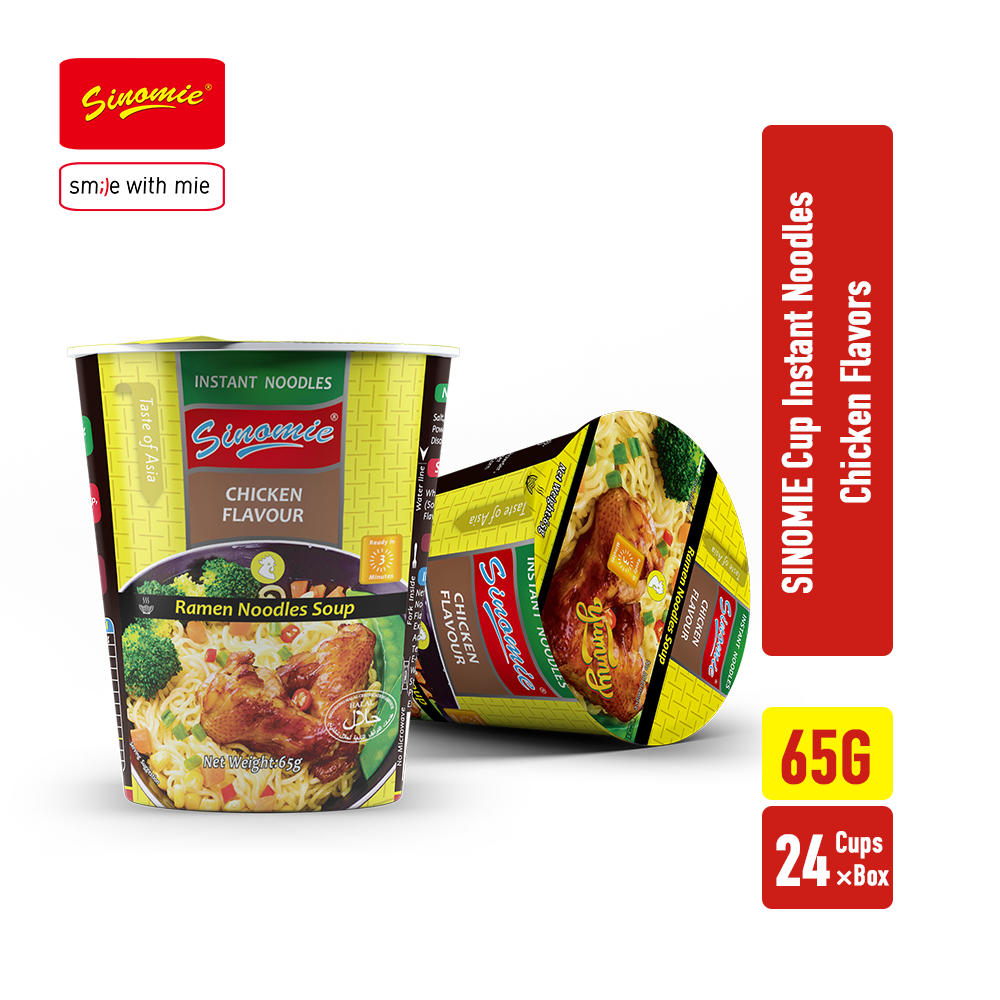
Baseline Caloric Density: A standard commercial cup of noodles typically ranges from 290 to 450 calories, heavily dependent on dry weight (e.g., 64g vs. 120g), with a standardized density baseline of approximately 446 calories per 100g.
Macronutrient Imbalance: Traditional instant options skew heavily toward carbohydrates (approx. 55%) and fats (approx. 36%), with minimal protein (9%) and fiber, resulting in poor satiety per calorie.
Hidden Caloric Drivers: Flash-frying manufacturing processes and oil-based seasoning packets are the primary contributors to the high caloric baseline.
Strategic Alternatives: Evaluating air-dried, high-protein, or konjac-based noodles offers viable pathways to mitigate caloric intake while satisfying convenience requirements.
Table of Contents
Establishing accurate baseline metrics is the only way to integrate convenience foods into strict caloric or macronutrient tracking protocols. You cannot manage what you do not measure accurately. When you grab a package off the shelf, the numbers on the back often mislead you. Manufacturers manipulate serving sizes to make the caloric load appear smaller than it actually is. You must learn to read past the marketing and look directly at the dry weight and total container metrics.
Caloric variance depends heavily on the product packaging style. Standard cups typically contain 290 to 330 calories per 64g to 70g container. Packaged block ramen usually holds 380 to 450 calories per package. A standardized metric of caloric density sits at approximately 446 calories per 100g of dry weight. This baseline density remains relatively constant across most traditional fried brands because the manufacturing process is nearly identical worldwide.
Understanding the calorie-to-weight spectrum across industry-standard size tiers is vital for accurate logging. You must weigh your food. Relying on the package estimate often leads to a 10% to 15% margin of error due to manufacturing tolerances.
Size Tier | Average Dry Weight | Estimated Total Calories | Typical Use Case |
|---|---|---|---|
Regular Cup | 64g - 70g | 290 - 330 | Light snack, side dish |
Standard Block | 85g - 90g | 380 - 420 | Standard single meal base |
Super Pack | 120g | 530 - 560 | Large meal, high energy demand |
Hungry Man | 180g | 800 - 840 | Extreme caloric load, split meals |
Belleful Pack | 280g | 1200+ | Multi-person serving, high risk |
Always check the discrepancy between "calories per serving" and "calories per container." Many standard packages contain two servings. If you consume the entire block, you double the actual intake. This single oversight ruins more diet plans than almost any other tracking error.
The standard macro split of commercial instant Noodles is heavily skewed. They typically contain 55% carbohydrates, 36% fat, and only 9% protein. High refined carbohydrate and saturated fat content significantly impacts daily dietary allowances. This profile leaves little room for other fat sources throughout the day. When you eat a standard block, you consume a massive amount of energy that digests rapidly.
The typical protein deficit is alarming. Most standard cups offer under 7g of protein. This low protein content negatively impacts muscle retention and metabolic health. It also fails to trigger satiety signals, leading to hunger shortly after consumption. You eat 400 calories and feel starving an hour later. This happens because the meal lacks the structural components necessary to slow gastric emptying. You need protein and fiber to feel full, and traditional convenience options provide neither.
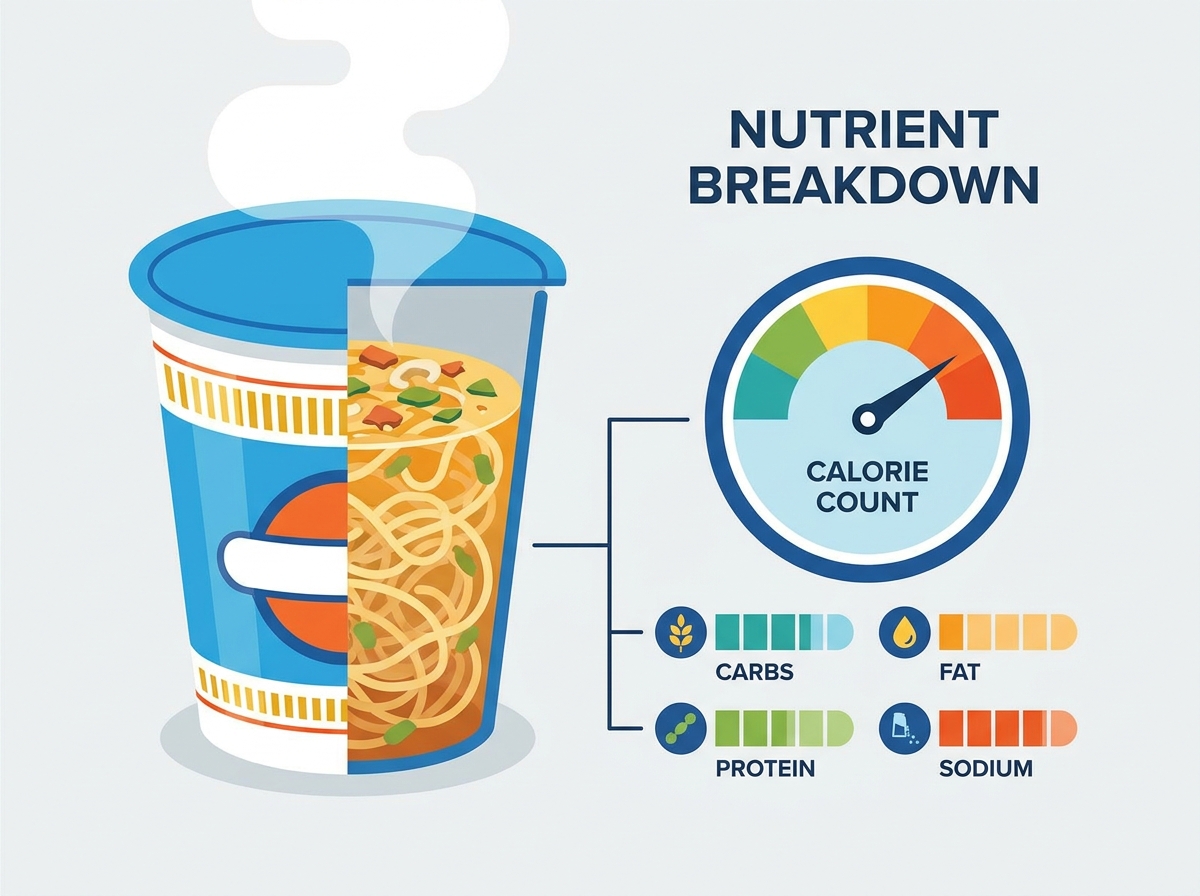
Assessing the structural and manufacturing components dictates the final nutritional profile of the product. Calories do not just appear out of nowhere. They are baked, fried, and packaged into the product during manufacturing. Understanding this process gives you the power to make better choices.
Traditional flash-frying methods absorb significant amounts of palm or vegetable oil. Manufacturers steam the raw dough, cut it, and then drop it into a deep fryer for a few seconds. This process creates a porous texture that cooks quickly when you add boiling water. However, those pores hold massive amounts of fat. This is why the caloric density is so high.
Modern air-drying techniques remove moisture without adding fat. Hot air circulates around the steamed dough, drying it slowly. Selecting air-dried variants can reduce the caloric density by up to 30%. This simple swap drastically alters the dietary impact of the meal. You get the same carbohydrate base without the heavy saturated fat load. Air-dried options take slightly longer to cook, usually 4 to 5 minutes instead of 3, but the nutritional trade-off is entirely worth the extra wait.
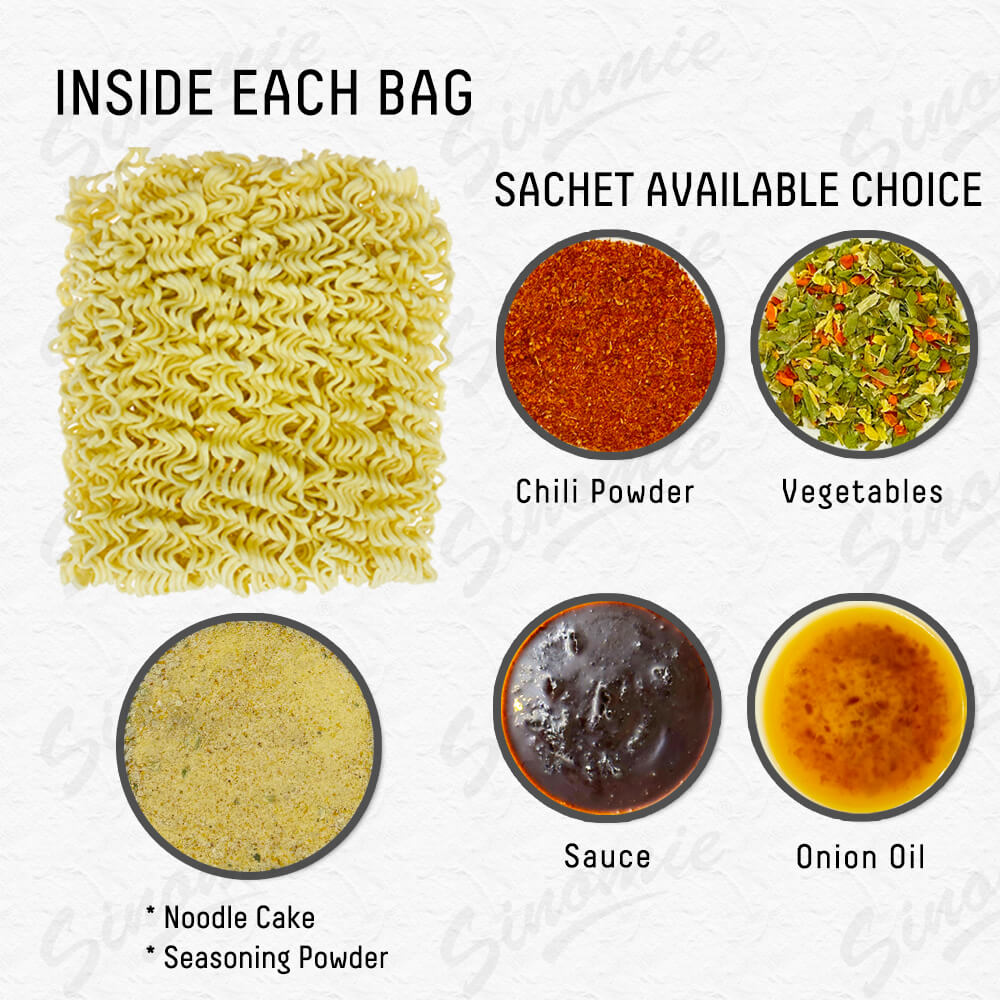
Accompanying flavor packets contribute heavily to the final calorie count. You must separate the components to understand their impact. Dry powder seasonings primarily consist of sodium, MSG, dehydrated vegetables, and spices. They are generally low in calories, usually adding no more than 15 to 25 calories to the bowl. The real danger lies in the liquid packets.
Liquid flavor packets are oil-based and highly caloric. They contain sesame oil, chili oil, or rendered animal fats. A single small packet can add 50 to 100 calories of pure fat to your meal. Preparing your meal without flavor oils reduces the total caloric value immediately. Using alternative dry seasonings, like your own garlic powder, onion powder, and low-sodium soy sauce, can drop certain products down to 180 to 220 calories. You control the flavor profile and the caloric load.
Traditional cups score very low on the Satiety Index. The Satiety Index measures how full a food makes you feel relative to its calorie content. Boiled potatoes score very high. Croissants score very low. Instant convenience meals sit near the bottom with the croissants.
The lack of dietary fiber, often under 2g, leads to rapid gastric emptying. Your stomach processes the refined wheat flour quickly. Combined with low lean protein, this causes a sharp insulin spike. Your blood sugar shoots up, and then it crashes hard. This physiological response drives caloric overconsumption later in the day. You consume dense calories without feeling full, prompting you to snack heavily in the afternoon. You must add volume and structural nutrients to fix this problem.
Categorizing available market options helps align food choices with nutritional outcomes. Different goals require different product selections. You cannot treat all options as equal. You must match the product to your specific dietary protocol.
Traditional options offer high convenience and low cost. They sit on every supermarket shelf. However, they carry a high caloric density. They are best reserved for emergency caloric intake or situations where you need dense energy quickly, like during a long hike or intense physical labor. We do not recommend them for strict weight-loss or macro-optimized protocols unless you heavily modify them.
These engineered products utilize wheat protein isolates, soy, or chickpea flour. They successfully invert the traditional macro profile. Instead of 55g of carbs and 10g of protein, you might get 20g of carbs and 25g of protein. This completely changes how the meal digests.
You must assess the cost-to-protein ratio before committing. These products cost significantly more than traditional options. Expect noticeable textural differences. They often chew a bit denser or grainier than traditional wheat options. You have to boil them longer to soften the protein isolates. If you can accept the texture, they offer a massive advantage for macro tracking.
Konjac options provide ultra-low calories, often under 20 calories per serving. They are made from the root of the konjac plant and consist almost entirely of water and a soluble fiber known as glucomannan. They offer high utility for aggressive caloric deficits. You can eat a massive bowl for under 50 calories.
Proper preparation methods are required to mitigate textural and digestive issues. Straight out of the package, they smell slightly fishy and have a rubbery texture. You must rinse them thoroughly under cold water for two minutes. Then, boil them for three minutes. Finally, dry-pan roast them over medium heat until they squeak. This removes the excess water and improves their palatability significantly, allowing them to absorb sauces properly.
Balancing nutritional optimization with practical consumption realities requires compromise. You must weigh functional benefits against sensory experience. If a diet food tastes terrible, you will not stick to the diet. You need to find products you actually enjoy eating.
Ultra-low-calorie alternatives often suffer a palatability drop-off. Konjac can feel like chewing on rubber bands if prepared incorrectly. High-protein variants can taste grainy or dense. Establishing a middle ground is the most sustainable approach.
Air-dried wheat options balance macro goals with sensory satisfaction. They provide the familiar chew without the excessive oil. You get the authentic mouthfeel of a traditional bowl, but you save 150 calories of fat. This middle ground allows you to enjoy your meals while staying within your caloric budget. You do not have to suffer through terrible textures to lose weight.
Functional, health-optimized products carry a financial premium. Traditional high-calorie instant cups cost very little, making them highly attractive for budget-conscious shoppers. You must analyze this cost-per-meal against long-term health outcomes.
Investing in better macros often yields better dietary adherence. If spending a little more on an air-dried or high-protein option keeps you on track with your diet, the investment pays off. You spend less money on junk food cravings later in the week. View the cost as an investment in your nutritional protocol rather than just a grocery expense.
Regular consumption carries physiological and tracking pitfalls. You must actively mitigate these risks to maintain progress. Ignorance of these factors will stall your weight loss and cause immense frustration.
Standard cups contain extreme sodium levels. They often exceed 50% of the recommended daily value in one sitting, sometimes pushing past 1500mg of sodium. Sodium-induced water retention masks fat loss progress on the scale. You might lose a pound of fat, but retain two pounds of water from the sodium load.
This scale fluctuation causes tracking confusion and psychological frustration. You step on the scale, see the number go up, and assume your diet is failing. It is just water weight. Increasing potassium intake and water consumption helps flush excess sodium. Drink an extra liter of water on days you consume high-sodium convenience meals. Do not panic when the scale spikes the next morning.
Logging errors frequently derail diet plans. You must accurately log dry weight versus prepared weight in macro-tracking applications. Never log the cooked weight unless the app specifically states "cooked." The water absorbed during cooking adds massive weight but zero calories.
Place a bowl on your digital food scale.
Zero out the scale.
Place the dry block into the bowl.
Record the exact gram weight.
Log this exact weight into your tracking app using a "dry" entry.
Always scan the barcode and verify the package weight. Do not rely on generic database entries. Generic entries often average out different brands, leading to massive inaccuracies. Weigh the dry block on a food scale for absolute precision.
You can hack a standard cup to improve its nutritional profile. Adding lean proteins and vegetables increases volume without exponentially increasing empty calories. This strategy improves the satiety index drastically. You turn a poor snack into a highly functional meal.
Throw away the oil packet. Use half the seasoning powder. Add a massive handful of spinach or bok choy during the last minute of boiling. Top the bowl with pre-cooked chicken breast, shrimp, or a soft-boiled egg. You increase the total calories slightly, but you completely change the macro ratio and the digestion speed.
Case Study: The 630-Calorie High-Protein Rebuild
Combining one pack of standard Noodles with specific proteins shifts the nutritional profile entirely. This rebuild transforms a poor snack into a macro-friendly meal that supports muscle retention and keeps you full for hours.
Ingredient | Calories | Protein (g) | Carbs (g) | Fat (g) |
|---|---|---|---|---|
1 Pack Standard Ramen (Dry) | 380 | 8.0 | 53.0 | 14.5 |
4oz Chicken Breast (Cooked) | 120 | 26.0 | 0.0 | 1.5 |
4oz Jumbo Raw Shrimp (Cooked) | 60 | 15.5 | 1.0 | 0.5 |
1 Boiled Egg (Large) | 70 | 6.0 | 0.6 | 5.0 |
Total Rebuild Macros | 630 | 55.5 | 54.6 | 21.5 |
Navigating the caloric and macronutrient realities of instant foods requires moving past misleading packaging metrics and understanding how processing methods drive total caloric density. Traditional flash-fried noodles carry a heavy burden of refined carbohydrates and fats while lacking the fiber and protein needed to keep you full. By recognizing hidden caloric drivers—such as oil packets and multi-serving packaging—you can take control of your daily intake through precise tracking and smart product selection.
Switching to lower-calorie, air-dried, or konjac-based alternatives provides a reliable path toward achieving a caloric deficit without sacrificing convenience. Furthermore, transforming a simple instant meal with lean proteins and fresh vegetables rebalances its macronutrient profile, stabilizing blood sugar and promoting lasting satiety.
For sourcing high-quality noodle options that align with modern health and nutrition goals, explore the product offerings at SINOMIE, a dedicated global supplier committed to clean, reliable, and innovative noodle manufacturing. Ultimately, by weighing dry portions accurately, modifying seasoning choices, and selecting better-for-you alternatives, you can seamlessly integrate convenient food choices into a balanced, health-focused diet.
A: A standard 70g cup typically contains around 320 calories. This includes the dry block and the standard seasoning powder, assuming no extra oil packets are added.
A: Yes, slightly. Draining the broth removes some of the dissolved fats and carbohydrates from the flash-frying process, along with a significant amount of sodium.
A: Yes. Air-dried variants avoid the flash-frying process, which can reduce the total caloric density by 20% to 30% compared to traditional fried blocks.
A: Traditional cups lack dietary fiber and lean protein. This macronutrient void causes rapid digestion, leading to a quick insulin spike and subsequent crash that triggers hunger.
A: Yes, if properly budgeted. You must accurately log the dry weight and consider adding lean proteins to improve the meal's satiety and overall macronutrient balance.


)
)